
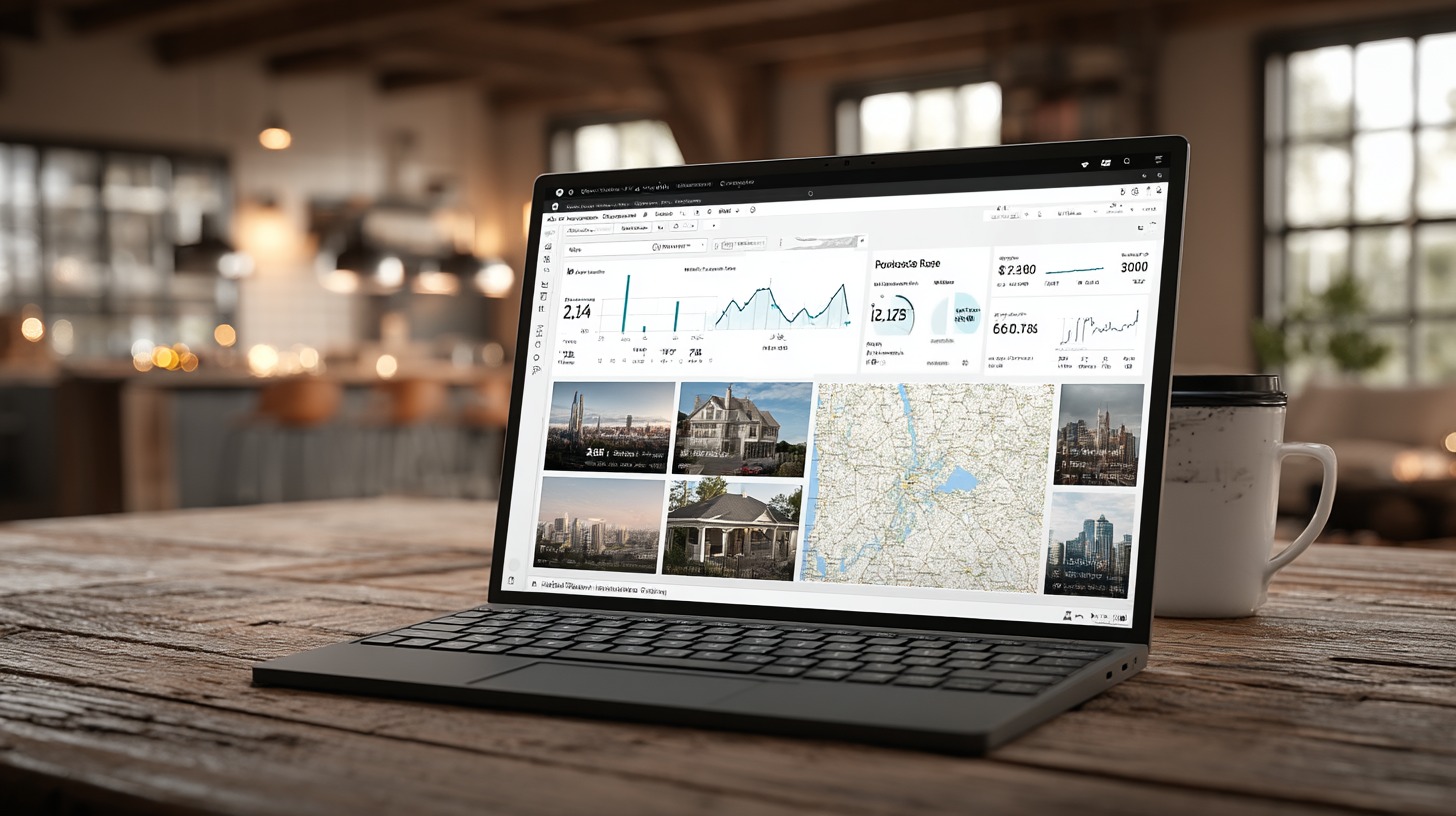
In the fast-paced world of real estate, agents juggle numerous tasks, from meeting clients to negotiating deals. Amid this activity, data visualization can be a game-changer. Using real estate data visualization tools transforms raw data into actionable insights, helping agents stay ahead in a competitive market. For example, an agent could use these tools to analyze and present trends for real estate in Al Reem Island, making complex market data easy for clients to understand. Here’s how these tools can make a difference.
1. Simplify data overload
Real estate data can be overwhelming, with agents facing a daily stream of property prices, market trends, and demographic information. Data visualization tools cut through this noise by presenting data in charts, graphs, and maps. For example, a heat map showing property price fluctuations can help agents quickly identify areas with high appreciation rates, making it easier to provide clients with accurate, timely information.
2. Enhance client presentations
Today’s clients expect clear, compelling evidence to support their decisions. Data visualization tools enhance client presentations by making complex information engaging and easy to understand. Imagine showing a client an interactive map of neighborhood property values or a chart comparing historical price trends. These visual aids build trust by demonstrating a well-researched, data-driven approach.
3. Streamline market analysis
Manually conducting market analysis is tedious. Data visualization tools automate the collection and presentation of data, simplifying the process. With just a few clicks, agents can generate reports on market dynamics like supply and demand, average days on market, and inventory levels. This allows agents to make informed decisions quickly, whether advising on the best time to buy or sell.
4. Identify investment opportunities
For agents working with investors, finding lucrative opportunities is crucial. Data visualization tools can reveal properties with the best return on investment (ROI). For example, a scatter plot can show the relationship between rental yields and property prices, helping to identify undervalued properties with high rental potential. Trend lines can also predict future market movements, guiding investors toward profitable long-term investments.
5. Improve marketing strategies
Effective digital marketing is essential. Data visualization tools offer insights into campaign performance by analyzing website traffic, social media engagement, and lead conversion rates. Visual reports can show which marketing channels generate the most leads, allowing agents to allocate their resources more effectively. This data-driven approach ensures marketing efforts are strategic and yield the best results.
6. Strengthen negotiation power
In negotiations, knowledge is power. Data visualization tools provide agents with the data-backed insights needed to negotiate effectively. Presenting a line graph of recent sales in a neighborhood can substantiate an asking price or support a client’s offer. This objective evidence can be a decisive factor in reaching a favorable agreement.
7. Save time and increase efficiency
A key benefit of data visualization tools is the time they save. By automating data collection and analysis, these tools free up agents to focus on building relationships and closing deals. Less time sifting through spreadsheets means more time for strategic activities, leading to increased efficiency and productivity.
8. Stay competitive
The real estate market is highly competitive. Data visualization tools are no longer a luxury but a necessity for modern agents. By harnessing the power of data, agents can gain a competitive edge by offering superior insights and services compared to those using traditional methods. This can help an agent stand out, attract more clients, and drive business growth.